
Need a Dog Aggression Trainer in Toronto?
A search for a dog aggression trainer toronto owners can trust usually begins after a scary moment: a growl near the food bowl, barking and lunging on a downtown walk, or a snap when someone reaches for your dog. It can leave you worried, embarrassed, and unsure what to do next. You are not alone, and your dog is not a bad doggie. Aggression is a behaviour that needs calm attention, practical safety steps, and a training plan built around trust.
The goal is not to force your dog to tolerate situations that feel overwhelming. The goal is to understand why the behaviour is happening, prevent rehearsals of it, and teach safer responses one small success at a time.
What Dog Aggression Can Look Like
Aggression is more than a bite. A dog may freeze, stare, stiffen, growl, bare teeth, bark, lunge, snap, chase, or make contact with teeth. These signals can be directed at unfamiliar dogs, visitors, family members, cyclists, delivery workers, or people approaching a valued item such as food, a toy, a bed, or even you.
The details matter. A dog that reacts only when another dog rushes into its space needs a different plan from a dog that guards the sofa or reacts when handled. Fear, frustration, pain, poor early social experiences, territorial behaviour, and repeated overexposure can all play a part. Sometimes several factors are working together.
A growl is useful information. It is your dog saying, “I am uncomfortable.” Punishing the growl may seem to stop the noise, but it does not resolve the discomfort. In some cases, it can make warning signals less clear while the dog still feels the need to defend itself. We want to listen early, before a situation gets bigger.
Start With Safety Before Training
If your dog has growled, snapped, or bitten, management is not giving up. It is the responsible first part of training. Every time your dog is pushed past their limit, the reaction can become more practised. Creating distance and predictability gives everyone room to breathe.
For now, avoid putting your dog in situations they cannot handle. That may mean walking at quieter times, crossing the street before another dog gets close, using baby gates at home, keeping visitors separate at first, or putting away high-value chews when children are nearby. A secure leash and properly fitted harness can make daily walks safer and more comfortable.
For dogs with a bite history or a strong risk of biting, basket muzzle conditioning may be appropriate. A basket muzzle should be introduced gradually with treats so your dog can comfortably pant, drink, and accept it. It is a safety tool, not a punishment, and it does not replace close supervision or training.
If aggression appears suddenly, or if your normally friendly dog reacts when touched, arrange a veterinary assessment. Pain, illness, sensory changes, and other medical concerns can change behaviour. Training works best when your dog’s physical needs are being addressed too.
What a Dog Aggression Trainer in Toronto Should Assess
A useful plan starts with questions, not quick fixes. A personal trainer should want to know what happened before the reaction, how close the trigger was, what your dog did, and what helped them recover. We also look at the environment, your daily routine, your dog’s age and history, and whether there have been any bites.
The first session should not be about testing your dog by bringing them too close to a trigger. That can be stressful and unsafe. Instead, it should help identify your dog’s threshold - the point where they can still notice something challenging and stay able to think, eat, and respond to you.
A dog who sees another dog across the street, looks back at you, and takes a treat is in a very different place from a dog already barking and hitting the end of the leash. Good training begins under threshold whenever possible. From there, we can build skills at a pace that protects your dog’s confidence.
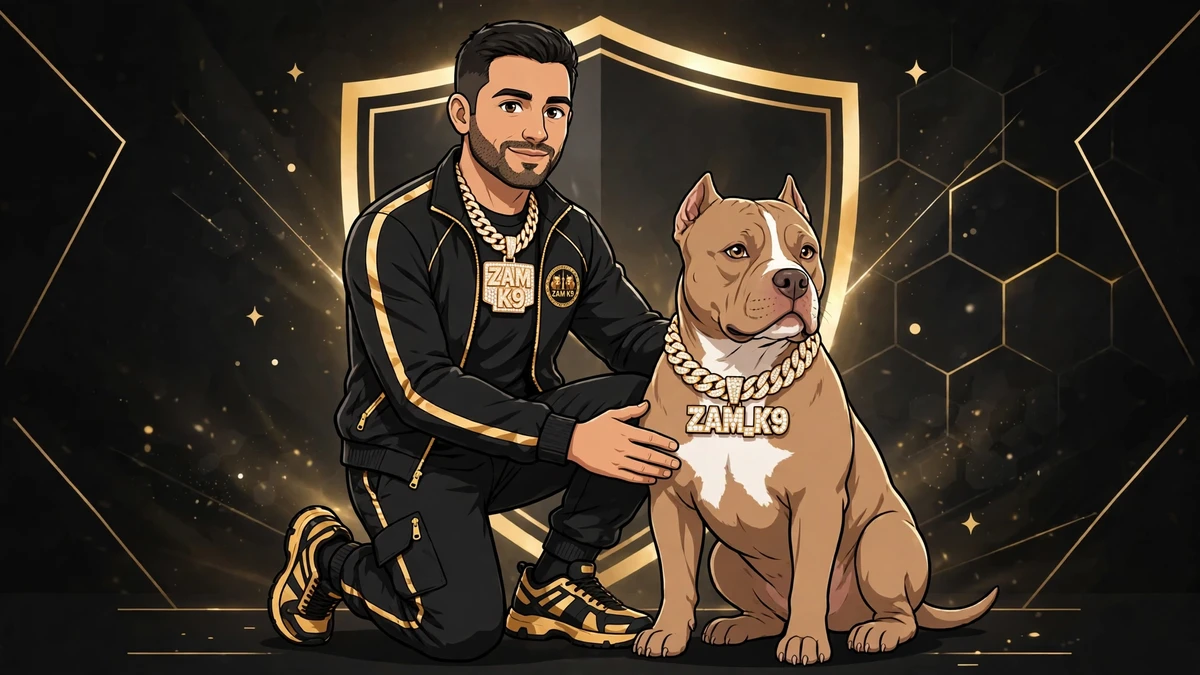
At ZAM K9, I work directly with owners because your real progress happens between sessions: in your condo hallway, on your neighbourhood walk, and when guests arrive at the door. With more than 12 years of hands-on experience, I focus on clear guidance you can use in everyday Toronto life.
Positive Training Does Not Mean Ignoring Serious Behaviour
Positive training is often misunderstood. It does not mean allowing unsafe behaviour or hoping treats alone will solve everything. It means teaching without intimidation, while using sensible structure and management to keep people and dogs safe.
For a dog who reacts on leash (https://zamk9.com/about-zam-k9/f/understanding-reactivity-in-dogs), the early work may include building attention around low-level distractions, teaching an easy turn-away cue, rewarding calm check-ins, and creating enough distance from other dogs. For resource guarding, the plan may focus on preventing conflict around valued items and changing your dog’s feelings about a person approaching. For visitor reactivity, we may work on a predictable arrival routine, a safe resting area, and gradual practice with controlled setups.
Training should be specific to the dog in front of us. Some dogs need more confidence-building. Others need help settling after excitement or frustration. A highly social dog that lunges because they want to greet every dog is not experiencing the same thing as a fearful dog trying to make another dog go away. The behaviour may look similar from a distance, but the solution is not identical.
Progress is rarely a straight line. A busy week, construction noise outside the building, a surprise dog around a corner, or a missed nap can affect your dog’s ability to cope. That is normal. We adjust the plan, protect the small wins, and keep moving forward.
Toronto Walks Can Make Reactivity Harder
Toronto dogs often have to navigate tight sidewalks, elevators, condo entrances, streetcars, patios, runners, scooters, and off-leash dogs appearing at the wrong moment. That is a lot to ask of any dog, especially one who already feels worried or overstimulated.
Your walk does not need to look perfect to be successful. If you choose a quieter route, step into a driveway to let a dog pass, or turn around rather than force a close greeting, you are making a smart training choice. Distance is not avoidance forever. It is a way to give your dog repeated experiences of staying safe and calm.
It also helps to rethink the goal of socialization. Adult dogs do not need to say hello to every person or dog. A better goal is neutrality: your dog can notice the world, trust your guidance, and continue on their way.
When You Need Help Right Away
Contact a qualified professional promptly if your dog has bitten and broken skin, repeatedly snaps at family members, guards items around children, redirects onto you during walks, or cannot be safely managed around a known trigger. In these cases, do not wait for the behaviour to pass on its own.
Be honest about what has happened. A trainer is there to help you make a safe plan, not to judge you. Clear information about bite severity, warning signs, triggers, and your home setup allows for better decisions. Depending on the case, collaboration with your veterinarian or a veterinary behaviour professional may also be the right next step.
Your First Steps Can Be Simple
You do not have to solve every behaviour before getting support. Start by keeping a short record of when reactions happen, what your dog sees or experiences beforehand, and how quickly they settle afterward. Avoid crowded greetings and other predictable flashpoints while you gather that information.
Then reach out for personal guidance (https://zamk9.com/services/ola/services/1-1-dog-training-in-toronto). A free 20-minute Complimentary Behaviour Assessment at our location can be a welcoming way to meet a trainer and ask questions. If your dog is reactive around dogs or people, contact us first so we can discuss the safest starting point rather than putting your dog into a group situation too soon.
Your dog is communicating the best way they know how. With patient handling, the right safety plan, and consistent positive training, you can help them feel more secure - and help your home and walks feel calmer again.