
Dog Obedience for Calmer Toronto Days
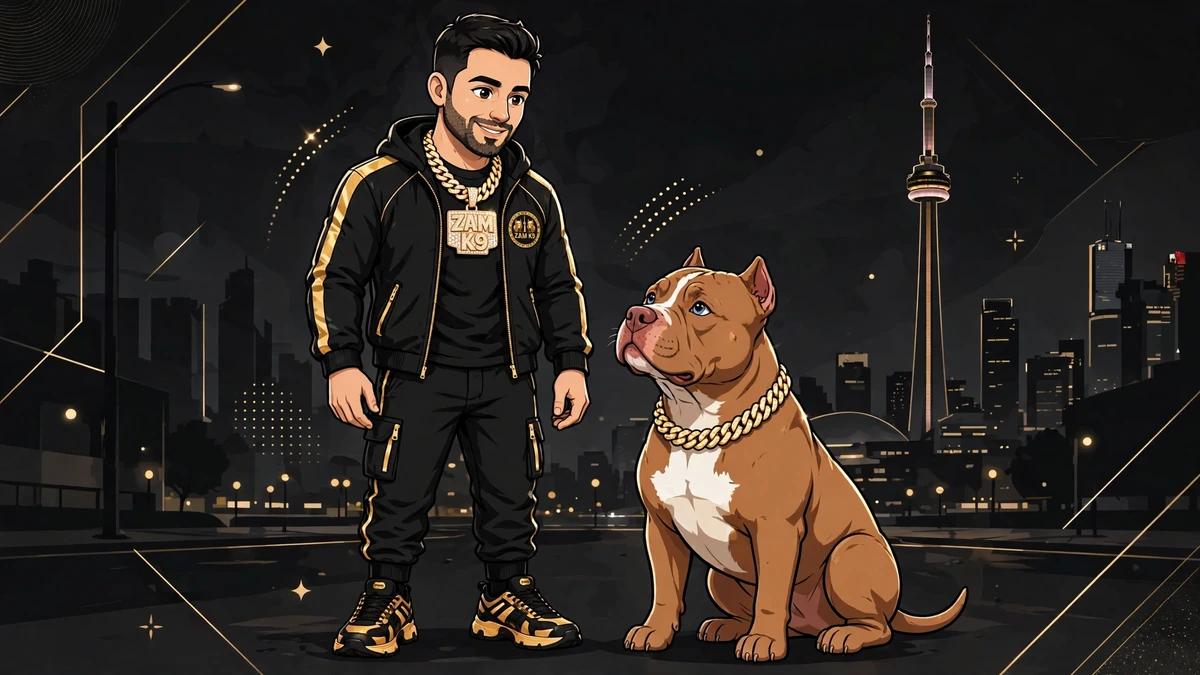
A dog who pulls toward every streetcar, greets strangers with all four paws, or ignores their name at the park is not trying to make your day difficult. They are usually excited, uncertain, under-practised, or simply being a dog in a very busy city. Dog obedience is how we give that energy a clear, kind direction - so daily life feels safer and more enjoyable for both of you.
For Toronto owners, training is rarely about asking for a perfect “sit” in the living room. It is about walking past another dog on a narrow sidewalk, settling while friends visit your condo, coming back when a squirrel appears in the park, and feeling confident that your Doggie can make good choices. That takes more than commands. It takes a relationship built on trust, repetition, and realistic practice.
What dog obedience really means
Obedience is sometimes misunderstood as getting a dog to comply no matter what. We take a different view. Good training teaches your dog what you would like them to do, makes that choice worthwhile, and gives them enough practice to succeed in the places that matter.
A reliable recall, for example, is not just a word your dog hears at the dog park. It is a history of coming to you and finding safety, praise, play, or a reward. A calm stay is not about forcing a dog to freeze. It is the ability to relax for a moment while life carries on around them.
Positive training does not mean there are no boundaries. Dogs need clear expectations. The difference is in how we teach them. Rather than waiting for a mistake and correcting it harshly, we show the right behaviour, reward it, and manage the environment while that skill is still new. This approach helps dogs stay engaged instead of worried about getting something wrong.
Start with the skills that change everyday life
Every dog is different, but a few foundation skills give most Toronto households a much easier start. Focus first on the behaviours you will use every day, not on tricks that look impressive for visitors.
Name response and attention
Before asking for anything else, teach your dog that hearing their name is worth turning toward you. Say it once in a quiet space. When they look at you, mark the moment with a warm “yes” and offer a small treat, toy, or praise they enjoy. Repeat in short sessions.
As this gets easier, practise in the hallway, near your building entrance, and on a calm street. If your dog cannot respond outdoors yet, that is useful information, not a failure. The environment is too difficult for their current skill level, so move farther from distractions and build up gradually.
Loose-leash walking
Pulling is one of the most common reasons owners ask for help. It also gets reinforced easily: when a dog pulls and reaches the exciting smell, person, or patch of grass, pulling worked.
Teach your dog that a loose leash keeps the walk moving. Reward them beside you or within the amount of leash you are comfortable with, especially before they begin to pull. Let sniffing be part of the reward too. A walk does not need to look like a competition heel. Your goal may simply be a dog who can explore without dragging you into the bike lane.
For energetic dogs, a front-clip harness and thoughtful route choices can make training safer while you build the skill. Equipment helps manage the moment, but it does not replace practice. Your dog still needs to learn where you want them to walk and why it pays to stay connected to you.
Recall and emergency turns
Coming when called can keep a dog out of trouble, but it needs careful handling. Avoid calling your dog only when fun ends, such as every time you leave the park. Call them, reward generously, then often release them back to sniff or play. This teaches them that returning to you does not always mean the good part is over.
An emergency U-turn is also valuable on city walks. Choose a cheerful phrase such as “this way!” and practise turning together at home, then on quiet sidewalks. Reward your dog as they follow. When a loose dog, loud construction zone, or uncomfortable encounter appears ahead, you have a simple option besides pulling them away in a rush.
Settle, stay, and polite greetings
A dog who can settle on a mat while you answer the door or have coffee on a patio has learned an important life skill. Begin at home with a comfortable mat and reward your dog for stepping onto it, then for lying down calmly. Build duration in tiny pieces before expecting success around guests, food, or exciting noises.
For greetings, remember that jumping often works because people naturally give attention. Ask visitors to wait until four paws are on the floor, then allow your dog to say hello. If your dog becomes overexcited, create a little distance and try again. The lesson is clearer when calm behaviour earns access to people.
Why consistency matters more than long sessions
Busy owners often worry they do not have an hour every day for formal training. You do not need one. Five minutes before breakfast, a few check-ins during a walk, and a calm settle while dinner is prepared can add up quickly.
Consistency means using the same cue for the same behaviour and following through in a fair way. If “off” means paws off the counter, it needs to mean that whether you are cooking or answering a text. If your dog is still learning, prevent rehearsal of the unwanted behaviour by using a gate, leash, mat, or appropriate chew while you cannot supervise.
It also means everyone in the home needs a shared plan. One person rewarding jumping while another asks for a sit will leave a dog guessing. Agree on a few priorities and keep the language simple. Clear communication makes training easier for humans too.
The role of socialization in obedience
A well-socialized puppy is not one who meets every dog and person they see. They are a puppy who learns that the world can be observed calmly and safely. Watching cyclists from a comfortable distance, hearing a streetcar while eating treats, and meeting a friendly person without being overwhelmed are all useful experiences.
This matters because obedience becomes harder when a dog is anxious or overstimulated. A puppy who has been rushed into chaotic greetings may struggle to focus later, even if they know the cue at home. Give your dog choice, space, and positive experiences. If they hesitate, increase distance rather than insisting they “get used to it.”
Adult dogs benefit from the same approach. Training is not limited to puppies, and older dogs are fully capable of learning new habits. Progress may take more patience if a behaviour has been rehearsed for years, but a thoughtful plan can make a major difference.
When personal support makes sense
Online videos can offer good ideas, but they cannot see the details of your dog, your timing, your building entrance, or the spot on your usual walk where things unravel. Personal dog obedience training (https://zamk9.com/services/ola/services/1-1-dog-training-in-toronto) is especially helpful when behaviour affects safety, including intense leash reactions (https://zamk9.com/about-zam-k9/f/understanding-reactivity-in-dogs), fear, bolting through doors, or unreliable recall.
A trainer can also help when progress has stalled. Often, the answer is not more pressure. It may be that the reward is not valuable enough, the training steps are too large, or the dog is being asked to work too close to a distraction. Small adjustments can change the result quickly.
At ZAM K9, I work directly with owners and their dogs using positive, practical methods that fit real Toronto routines. A free 20-minute Complimentary Behaviour Assessment at our location is a welcoming place to ask questions, see how training feels, and begin building the habits your Doggie will carry into adult life.
Your dog does not need to be perfect to start. Pick one moment this week - the leash going on, the elevator door opening, or the first minute after a guest arrives - and practise the behaviour you want before the excitement takes over. Those small, successful moments are where a calmer, more connected dog begins.