
Dog Trainer Questions to Ask Before You Book
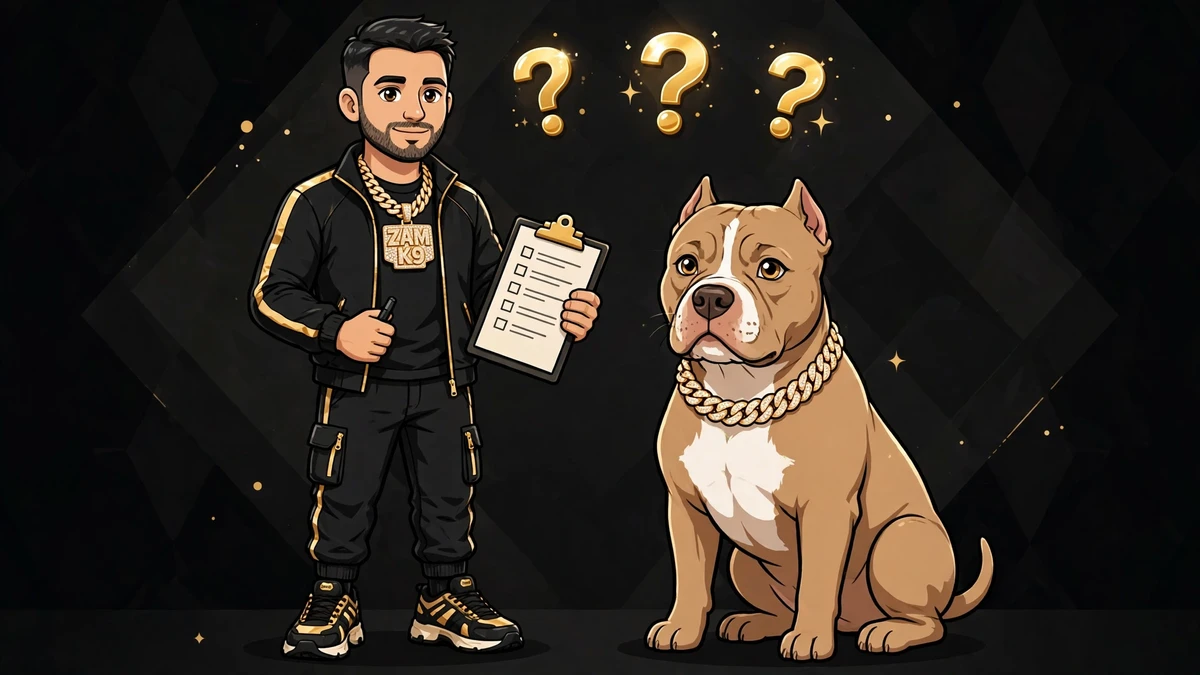
Choosing help for your dog is personal. You are not simply booking a class - you are inviting someone to guide the relationship between you and your doggie. The right dog trainer questions can help you find support that feels kind, practical, and suited to your real life in Toronto.
A good trainer should welcome your questions. Whether you have a new puppy who is chewing every shoe in sight, an adolescent dog who pulls toward every squirrel, or an older dog who needs a confidence boost, training works best when the plan makes sense to both you and your dog.
Dog Trainer Questions About Training Methods
What methods do you use, and why?
This is one of the most useful questions to ask first. Training is not only about getting a dog to sit, stay, or walk nicely. It is about teaching skills while building trust. Ask a trainer to explain how they reward behaviours they want to see and how they respond when a dog gets something wrong.
Positive reinforcement training uses rewards that matter to your dog, such as food, play, praise, access to a favourite spot, or a chance to greet you. The goal is not to bribe a dog forever. It is to clearly show your dog which choices work, then gradually build those behaviours into everyday life.
Be careful with vague promises such as "we fix any dog" or "your dog will obey instantly." Every dog is an individual. Breed tendencies, age, previous experiences, health, home routine, and the owner’s available time all affect progress. An experienced trainer can be confident without pretending every situation has one quick answer.
How do you handle fear, barking, or reactivity?
Dogs that bark, lunge, hide, freeze (https://zamk9.com/about-zam-k9/f/understanding-reactivity-in-dogs), growl, or become overexcited need thoughtful support. These behaviours are often communication, not stubbornness. A dog may be worried, frustrated, overwhelmed, or simply too excited to make a good choice.
Ask how the trainer works at a distance where your dog can still learn. For example, if your dog reacts to other dogs on a busy downtown sidewalk, a sensible plan may begin farther away, with calm observation and rewarding attention back to you. Pushing a worried dog too close to what scares them can make the problem worse.
A trainer should also know when training is not the only answer. Sudden behaviour changes, pain, or unusual anxiety may call for a conversation with your veterinarian before or alongside training.
Questions About Your Dog’s Individual Plan
Will you work directly with me, not only my dog?
Your dog needs to learn from you where it matters most: at home, in the elevator, on the street, near the park, and when visitors arrive. A trainer can create progress in a session, but the best results happen when you understand what to practise between appointments.
Ask whether the trainer will coach you in handling, timing rewards, using cues, reading your dog’s body language, and setting up the environment for success. Personal guidance is especially valuable for busy owners. You do not need a complicated training routine. You need a few clear exercises that fit into your morning walk, dinner preparation, and evening downtime.
At ZAM K9, I work closely with both the dog and the owner because a cooperative bond is the foundation of lasting behaviour. My job is to make training feel manageable, not to leave you with a long list of instructions that does not fit your day.
What will my first few sessions look like?
A good trainer should be able to describe the starting point. For a puppy, early sessions may focus on name response, recall foundations, gentle handling, toilet routine, safe socialization, settling, and learning to enjoy a leash. For an adult dog, the first priority may be understanding triggers, improving focus, or building calmer walks.
Ask what the trainer needs from you before the first session. A short behaviour history, vaccination information for group settings, videos of a concern, and details about your dog’s daily routine can all be helpful. There is no shame in saying, "I do not know what I am doing." Honest information helps create a better plan.
How will we measure progress?
Progress is not always a perfectly straight line. A puppy may have an excellent week, then struggle after a growth spurt, a schedule change, or an exciting weekend with guests. That is normal.
Instead of looking only for perfection, ask what small wins you should notice. Perhaps your dog checks in with you once during a walk instead of pulling the whole block. Perhaps they settle on a mat for two minutes while you make coffee. These are meaningful building blocks.
A trainer should help you set realistic goals and adjust the plan as your dog learns. If a method is not working for your dog, the answer is not to repeat it louder or harder. It is to look at why and make the next step easier or clearer.
Practical Dog Trainer Questions Before Booking
Where will training happen?
The setting matters. Puppies often benefit from carefully managed exposure to everyday sounds, people, surfaces, and calm dogs. Adult dogs may learn best at home first, especially if visitors, jumping, barking at the window, or household routines are the main concern.
For Toronto dog owners, practical training may also include sidewalks, condo entrances, parks, transit noise, and distractions around other people and dogs. Ask whether training can take place where the challenge actually happens. A dog who listens in a quiet room still needs help learning that same skill outside.
Group classes can be useful for social learning and controlled distractions, while one-to-one training (https://zamk9.com/services/ola/services/1-1-dog-training-in-toronto) provides more individual attention. Neither is automatically better. It depends on your dog’s needs, your goals, and how much support you want. A shy puppy may need a slower introduction than a confident, social one. A dog with big reactions may not be ready for a busy group environment right away.
What practice will I need to do at home?
Training should fit real life. Ask how much practice is expected and what happens if you have a difficult week. Most dogs benefit more from short, frequent sessions than one long session on Sunday.
Five minutes of practising recall in the hallway, rewarding calm behaviour while the kettle boils, or asking for a sit before clipping on the leash can add up quickly. The best plan is one you can repeat consistently. If you have children, shift work, or a packed commute, tell the trainer. Your training plan should support your life, not create more stress.
What support is available between sessions?
Questions often come up after a session: Was that play or overstimulation? Should I reward this? What do I do when my puppy bites during the evening zoomies? It helps to know whether your trainer offers follow-up guidance and how you can share concerns.
Clear communication is a sign of good service. You should feel comfortable asking for clarification rather than guessing. Training advice can sound simple, but timing and setup make a major difference. A quick question at the right moment can prevent a small issue from becoming a frustrating habit.
Questions That Protect Your Puppy’s Confidence
How do you approach puppy socialization?
Socialization does not mean letting your puppy meet every person and dog they see. It means helping them have safe, positive experiences with the world. A puppy who watches a bicycle calmly from a comfortable distance may be learning more than a puppy who is overwhelmed by a crowd.
Ask how a trainer balances exposure with your puppy’s comfort. Look for an approach that respects your puppy’s signals, uses rewards, and avoids forcing interactions. Confidence grows when puppies learn they can look to you for guidance.
Can you help before there is a problem?
Yes, and early support can be one of the best gifts you give yourself and your puppy. You do not need to wait for pulling, barking, jumping, or separation worries to become exhausting. Starting with good habits is usually easier than changing habits after months of practice.
A free 20-minute Complimentary Behaviour Assessment at our location can also be a comfortable way to meet a trainer, ask questions, and see whether the teaching style feels right for you. Pay attention to how the trainer speaks about dogs and owners. You should leave feeling encouraged, not judged.
The right trainer will not expect you to be perfect. Bring your questions, your daily challenges, and your hopes for life with your dog. With patient practice and clear guidance, you can build the calm, trusting partnership you both deserve.