
Home Training Versus Park Classes: Which Fits?
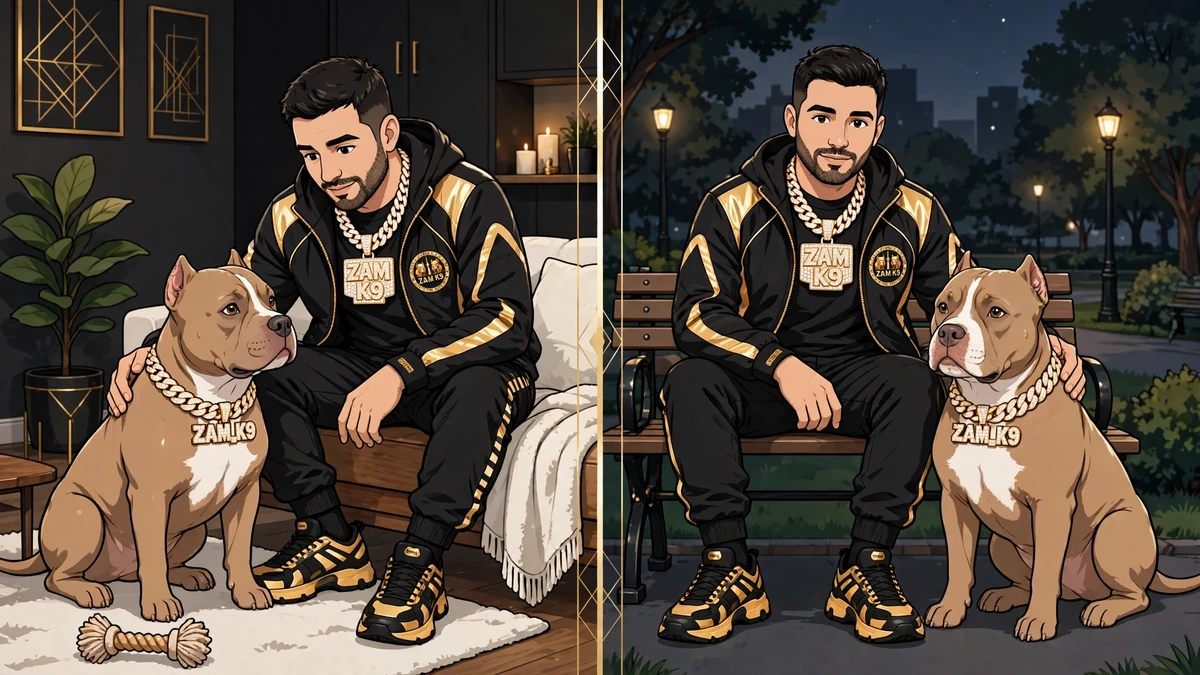
A puppy can practise “sit” beautifully beside the kitchen table, then seem to forget everything when a skateboard rolls past at Trinity Bellwoods. That is not stubbornness or a failed lesson. It is simply why home training versus park classes is a real choice for Toronto dog owners - and why the best answer often depends on what your Doggie needs right now.
Both settings can be valuable. Your home is where daily habits are built, while a park introduces the sights, sounds, people, dogs, and distractions that make real-life listening more challenging. Positive training works in both places when the plan is clear, rewards matter to your dog, and you are learning how to communicate calmly and consistently.
What Home Training Does Best
Home is where most of your dog’s behaviour happens. It is where they greet visitors, settle during dinner, wait at the door, walk beside you to the elevator, and decide whether the sofa is an invitation. Training in that familiar space lets us work on the moments that affect your day most.
For a new puppy, home sessions are especially useful because the environment is predictable. There are fewer distractions, so your puppy has a better chance of understanding what you are asking. We can teach attention, name response, recall foundations, settling on a mat, gentle handling, house-training routines, and calm greetings without expecting too much too soon.
Home training is also personal in a way that a general class cannot always be. Every household has different routines. A family with young children may need help creating calm boundaries around playtime. A downtown condo owner may be working on barking at hallway noises or excitement in the lobby. Another dog may struggle when the doorbell rings, when food is on the counter, or when guests arrive with big energy.
Working in your own space means we can look at the full picture: where your dog sleeps, how they move through the home, what triggers the behaviour, and what you can realistically practise between sessions. Good training should fit your life, not give you a long list of exercises that are hard to maintain.
When home sessions are the stronger choice
Home training (https://zamk9.com/services/ola/services/in-home-dog-training) is often the best starting point for puppies that are not fully vaccinated, dogs that are easily overwhelmed outdoors, or owners dealing with a specific household behaviour. It also suits busy Toronto schedules. You do not need to pack treats, travel across the city, or worry about weather before you can put in a useful session.
That said, a dog who only trains at home may learn that listening is something they do in the living room. Dogs do not automatically apply a cue everywhere. A reliable “come” at home needs practice in gradually more distracting places before it becomes a reliable “come” in the park.
What Park Classes Add to Training
A park class brings training into the real world. There may be other dogs at a distance, joggers, bicycles, squirrels, children, food smells, wind, and the ordinary activity of a Toronto neighbourhood. Those distractions can make a simple cue harder, but they also create valuable practice opportunities.
The goal is not to make your dog perform perfectly in a busy park on day one. The goal is to help them learn that they can notice the world and still check in with you. That skill builds confidence, improves focus, and supports safer walks.
Park classes are particularly helpful for dogs that need controlled social exposure. Socialization does not mean every dog must meet every person or play with every dog. Healthy socialization means learning to stay calm around new things, recover after surprises, and trust that you will guide them. Sometimes the biggest win is a puppy watching another dog pass by while happily taking a treat and staying relaxed beside their owner.
For owners, a park setting also makes training practical. You can learn how to use distance, timing, body position, and rewards when real distractions appear. A trainer can help you recognize when your dog is ready to move closer and when it is smarter to create space. That is much more useful than waiting until a difficult moment happens on a crowded sidewalk.
The limits of park classes
A group environment is not automatically right for every dog at every stage. A nervous puppy may need quieter, one-to-one support before joining a class. A reactive dog (https://zamk9.com/about-zam-k9/f/understanding-reactivity-in-dogs) may learn more effectively through a personalized plan that starts far from their triggers. And if you are dealing with counter surfing, jumping on family members, or trouble settling at night, the park cannot show us what is happening in your home.
Weather matters too. Toronto winters, summer heat, and rainy days can affect both comfort and focus. Outdoor training can still be excellent, but the session should be adjusted to keep dogs safe, engaged, and successful.
Home Training Versus Park Classes: Ask These Questions
Instead of asking which option is universally better, start with your dog’s current needs. Is your biggest challenge happening inside the home or out on walks? Can your puppy focus around mild distractions, or do they become worried or overexcited as soon as they leave the building? Are you looking for foundational skills, social exposure, or help with a specific behaviour?
A confident, curious puppy may benefit from a park class early on, provided the experience is positive and well managed. A puppy who is new to your home may first need a few calm days of routine, sleep, and simple training before taking on a more stimulating environment.
For adult dogs, the decision can be just as individual. A dog that pulls toward every person and dog may need outdoor coaching so you can practise calm walking where it counts. A dog that barks through the window or guards items at home may need direct support in the place where the behaviour happens.
Your own comfort matters as well. If you feel unsure handling your dog around distractions, personal guidance in a park can help you feel more confident. If you are overwhelmed by puppy routines and do not know where to begin, a home session can give you a clear plan for the week ahead.
The Strongest Plan Often Uses Both
Think of home and park work as two parts of the same lesson. At home, we teach the meaning of a cue in an easy setting. In the park, we gradually help your dog practise that cue with more going on around them. This progression protects your dog’s confidence and makes training fair.
For example, recall may begin with your puppy moving a few steps away in the hallway. Next, you practise in a quiet courtyard on a long line. Later, you work at a park with distractions at a distance. At each stage, your dog learns that coming back to you is rewarding, safe, and worth choosing.
The same approach applies to loose-leash walking, staying calm around dogs, or settling beside a café patio. We do not need to rush. Small successes repeated often are more powerful than one difficult session where your dog becomes frustrated or shuts down.
Positive training is not about avoiding every challenge. It is about introducing challenges at a level your dog can handle, then rewarding the behaviour you want to see more often. Your voice, your timing, and your relationship matter far more than demanding perfection.
Getting More From Any Training Session
Keep practice short enough that your dog can succeed. A few focused minutes before breakfast or during an evening walk can be more effective than a long session when everyone is tired. Use rewards your dog genuinely enjoys, whether that is small treats, a toy, praise, or a chance to sniff.
Watch your dog’s body language. A wagging tail alone does not always mean comfort. Look for signs of tension such as freezing, turning away, lip licking, pulling hard, or refusing food. If you see them, make the exercise easier. More distance, fewer distractions, or a simpler cue can turn a stressful moment into useful learning.
Most of all, practise the behaviours you want before you urgently need them. Teach your puppy to check in with you before the busy sidewalk feels overwhelming. Reward calm at the door before a guest arrives. Build a happy recall before you are calling them away from something exciting.
At ZAM K9, I help owners choose the setting that gives their dog the best chance to learn, using positive methods and practical coaching for real Toronto life. A free 20-minute Complimentary Behaviour Assessment at our location can be a welcoming first step, while personal support can help when your dog needs a more tailored plan.
Your dog does not need to be perfect at home before going to the park, and they do not need to be fearless in the park before learning at home. Start where they can succeed, stay patient, and let each small win build the trusting partnership you want to share every day.