
Positive Training for Calm, Happy Toronto Dogs
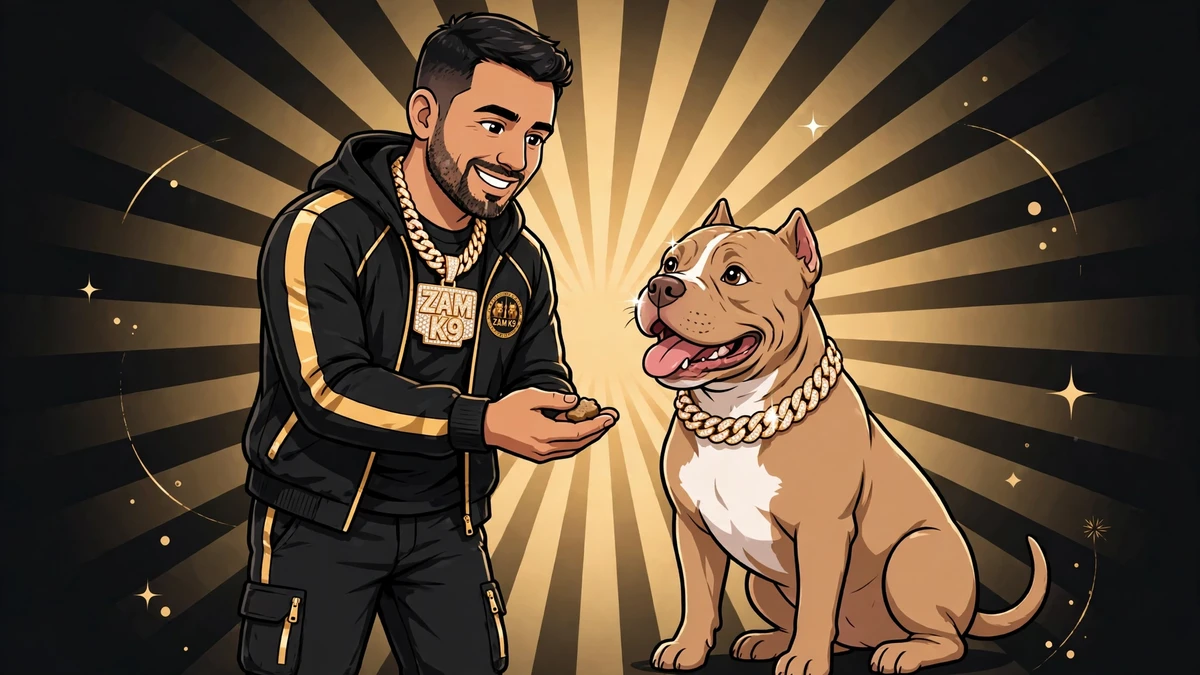
A puppy who grabs the leash outside, a dog who barks at the condo hallway door, or a new rescue who is unsure of visitors does not need to be frightened into listening. Positive training gives you a practical way to teach better choices while protecting the trust your dog has in you. For busy Toronto owners, that trust is not a bonus. It is what makes everyday walks, visitors, elevators, parks, and quiet evenings at home more manageable.
Positive training is not about letting a dog do whatever they want. It is about showing them what works, rewarding the behaviour you want to see again, and setting clear, kind boundaries when they need guidance. Done well, it helps dogs understand their job instead of simply trying to avoid a correction.
What positive training really means
Dogs repeat behaviours that bring good outcomes. When your dog sits before the leash goes on, comes when called, walks beside you, or settles on a mat while guests arrive, those moments deserve to be noticed. A reward can be a small treat, a favourite toy, praise, access to a sniff, or getting to move forward on a walk. What matters is that it is something your individual dog values.
The timing matters just as much as the reward. If your puppy sits at the curb and you reward that sit right away, you make the lesson clear: sitting calmly helps things happen. If the reward arrives much later, your puppy may not connect it to the behaviour you wanted. This is why training can feel simple in theory but frustrating at home without a clear plan.
Positive training also includes management. If your dog practises jumping on visitors ten times a week, jumping becomes a well-rehearsed habit. Using a leash, baby gate, crate, quiet space, or planned greeting routine is not cheating. It prevents the wrong behaviour from becoming stronger while you teach a better one.
Positive training is not permissive training
Some owners worry that reward-based work means carrying treats forever or ignoring unwanted behaviour. Neither is true. Food is often a helpful teaching tool, especially with puppies and dogs learning a new skill, but it is not the final goal. As a behaviour becomes reliable, rewards can become less predictable and more connected to real life. Your dog may earn the chance to greet a friend, explore a tree, chase a toy, or join you on the couch after settling nicely.
Dogs also need consistency. If pulling sometimes gets them to the park and sometimes does not, they will keep trying. If barking at the apartment door brings shouting one day and attention the next, the message is unclear. Positive training asks owners to be calm and predictable: prevent what you can, redirect early, reward the right choice, and practise the skill again in an easier situation if your dog is struggling.
That does not mean every situation can be solved with a treat in five minutes. Fear, reactivity (https://zamk9.com/about-zam-k9/f/understanding-reactivity-in-dogs), resource guarding, and intense leash frustration need careful assessment. The goal is never to push a worried dog closer to the thing they fear just to prove they can cope. We work at a distance where the dog can still think, then build confidence gradually.
Start with the moments you already have
You do not need an hour of formal training every day. Most dogs learn best through short, useful repetitions built into their routine. Five minutes before breakfast, a few choices on a walk, and a calm greeting practice in the evening can add up quickly.
For a new puppy (https://zamk9.com/services/ola/services/5-weeks-3-6mo-puppy-board-train-package), begin with name recognition, coming when called indoors, gentle handling, settling on a bed, and following you for a few steps on leash. These are small skills with a big impact. A puppy who learns that people predict safety, guidance, and good things is more prepared for the noise and movement of city life.
For an adult dog, choose one priority that affects your day most. If walks are stressful, focus on leash skills before adding ten new commands. If your dog rushes the front door, teach a stationing behaviour such as going to a mat. Clear goals make it easier for both of you to see progress.
Make rewards work for your dog
Not every dog is motivated by the same thing. Many puppies will happily work for kibble in a quiet kitchen, then ignore it when squirrels, cyclists, and other dogs are nearby. That is not stubbornness. The outside environment is harder, and the reward may need to be more valuable or the task may need to be easier.
Bring small, soft treats on walks and save higher-value rewards for difficult moments, such as calmly passing another dog or choosing to look back at you near a distraction. Use praise warmly, but do not assume words alone are rewarding to every dog at the beginning. Your attention and voice become more powerful when they are consistently paired with good experiences.
Train below your dog's stress level
A dog that is already barking, lunging, trembling, or pulling hard may be too overwhelmed to learn. Rather than repeating a cue louder, create distance. Cross the street, turn around, step behind a parked car, or move to a quieter area. Then reward your dog for noticing the trigger and returning attention to you.
This is especially useful in downtown Toronto, where narrow sidewalks, elevators, construction noise, and close encounters can make dogs feel crowded. Training is not always about asking for perfect obedience in the busiest place. Sometimes the best decision is to give your dog space and practise in a setting where success is possible.
Build a partnership, not a performance
A well-trained dog is not a robot. They will have energetic days, distracted days, and moments when the world feels like too much. Puppies also go through developmental stages that can make a familiar skill look temporarily forgotten. Progress is rarely a straight line.
The relationship you build during those moments matters. When your dog learns that you will guide them instead of scaring or overpowering them, they are more likely to check in with you when something feels difficult. That is the kind of reliability most owners want: not a dog who obeys only under pressure, but a dog who understands how to succeed.
At ZAM K9, I work directly with owners because training needs to fit real life. Your dog's routine, personality, home setup, and challenges all matter. A family with young children may need help creating safe calm routines around excitement. A downtown professional may need a realistic plan for leash walking (https://zamk9.com/services/ola/services/1-1-dog-training-in-toronto) before and after work. A first-time puppy owner may simply need to know what to practise first.
When professional help makes a difference
A good trainer can save time by spotting the small details that are easy to miss: reward timing, leash handling, body language, the distance that keeps a dog comfortable, or an accidental habit that is maintaining the problem. Personal guidance is particularly helpful when you are unsure whether your dog is playful, overexcited, fearful, or becoming reactive.
It is also useful to get help early. You do not need to wait until a puppy is pulling hard or a dog is barking at every passerby. Early training gives you a foundation before those habits become part of daily life. For dogs with more serious behavioural concerns, a patient, individualized approach can help you create a safer plan without relying on intimidation.
Positive training asks you to look for the behaviour you want, make it worthwhile, and practise it in small moments until it becomes familiar. Start with one situation this week: the leash going on, the front door opening, or your dog settling beside you after a walk. Notice one good choice, reward it clearly, and let that small success become the next step in your partnership.