
Reactive Dog Training Toronto for Calmer Walks
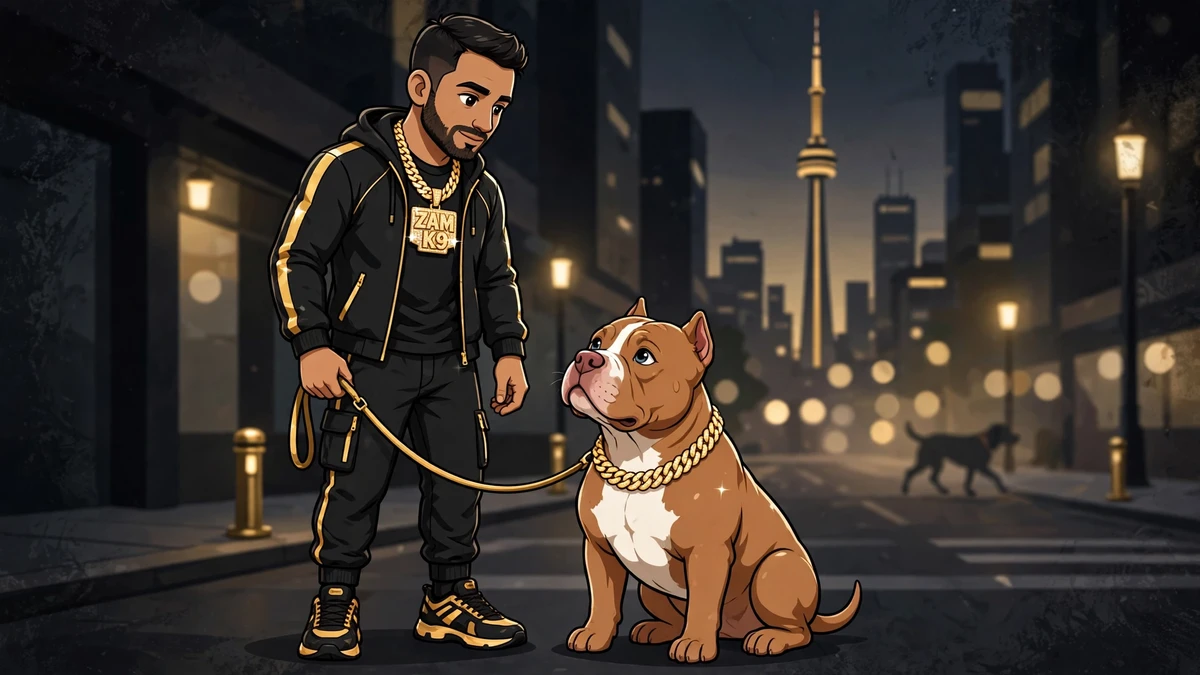
A narrow Toronto sidewalk can feel like a lot when your dog spots another dog, a skateboard, or someone stepping out of a condo lobby. The leash tightens, your dog barks or lunges, and suddenly a simple walk feels stressful for both of you. Reactive dog training Toronto dog owners need should make those moments clearer and more manageable, not leave you feeling judged or afraid to take your dog outside.
Reactivity is not a sign that you have a bad dog or that you have failed as an owner. It is a behaviour with a reason behind it. With patient, positive training and the right plan for your dog, walks can become calmer, safer, and more enjoyable again.
What does a reactive dog look like?
A reactive dog has a bigger-than-expected response to something in their environment. That may look like barking, lunging, spinning, growling, pulling hard toward another dog, or freezing and refusing to move. Some dogs react only to dogs. Others react to strangers, bicycles, runners, scooters, trucks, or visitors at home.
The behaviour is the visible part. Underneath it, a dog may be worried, frustrated, overexcited, protecting space, or simply too close to something they cannot handle yet. In a busy city, triggers can appear quickly and from every direction. A dog who is comfortable in a quiet park may struggle outside a crowded café, near a streetcar stop, or in the elevator of a high-rise building.
That is why the first question is not, “How do I stop the barking?” It is, “What is my dog trying to communicate, and what happens just before the reaction?” Once we understand the pattern, we can teach a better response.
Why punishment can make reactivity worse
When a dog reacts, it is tempting to correct the behaviour in the moment. A sharp leash pop, yelling, or forcing your dog closer to the trigger may appear to stop the noise for a second. But it does not necessarily change how your dog feels.
If your dog is already nervous about other dogs, an unpleasant correction can make the sight of another dog predict even more discomfort. If your dog is frustrated and eager to greet, harsh handling can add stress and conflict to an already intense moment. The result may be a dog who reacts faster, more strongly, or with less warning next time.
Positive training does not mean ignoring difficult behaviour or letting a dog pull you down the street. It means setting clear boundaries while teaching skills your dog can actually use. We reward calm choices, create enough space for learning, and build focus without intimidation.
Reactive dog training in Toronto starts with distance
Distance is one of the most useful training tools for a reactive dog. Your dog cannot learn well when they are already barking, lunging, and unable to respond to you. The goal is to notice a trigger before your dog reaches that point, then move far enough away for them to see it and stay under control.
This distance is different for every dog and every situation. One dog may calmly watch another dog from across the street but react at five metres. Another may need the width of a park at first. There is no prize for getting closer too soon. Progress comes from giving your dog repeated experiences of seeing a trigger, staying safe, and discovering that they can look back to you.
On a Toronto walk, that can mean crossing the street early, turning down a quieter side road, stepping behind a parked car, or choosing a wider section of trail. Those choices are not avoidance forever. They are smart management while your dog learns a new habit.
Watch for the early signs
Many owners only notice reactivity when the bark happens. Your dog often gives smaller signals first: their body gets still, ears point forward, mouth closes, they stare, or they begin pulling toward the trigger. Learning to spot these signs gives you time to act.
At that early stage, calmly say your dog’s name, move away if needed, and reward them for turning toward you. A simple treat can help create a positive association, but timing matters. We want your dog to notice the trigger and then choose to reconnect with you, rather than being pushed past their limit.
Skills that make daily walks easier
A reactive dog does not need a long list of tricks. They need reliable, practical skills that work outside. We usually focus on attention, leash handling, calm movement, and recovery after surprises.
Your dog should learn that hearing their name, checking in with you, or following a gentle change of direction pays off. A cue such as “let’s go” can help you leave a difficult situation without dragging or arguing. A hand target can give your dog something simple to do when they are beginning to worry. For some dogs, scattering a few treats on the ground in a safe, quiet spot helps lower intensity and gives them a moment to reset.
Equipment matters too, but it is not the whole answer. A well-fitted harness and a regular leash can give you better control without adding discomfort. Retractable leashes are usually not ideal for reactive-dog walks because they make distance and quick movement harder to manage. The best setup depends on your dog’s size, strength, history, and behaviour, so personal guidance is valuable.
The goal is not for your dog to love every dog
Many owners feel pressure to make their dog social with everyone. That is not necessary. A successful walk may be a dog who sees another dog, stays relaxed, and keeps moving with you. Neutrality is a wonderful goal.
Some dogs enjoy a few familiar dog friends but do not want greetings with every dog they pass. Others prefer people at a distance. Respecting those preferences can prevent difficult encounters and create more confidence over time. Your dog does not need to be the life of the dog park to have a happy, full life.
This is especially true for adult dogs with a long history of reacting. They can absolutely learn, but their progress may look like smaller changes at first: recovering faster, responding to their name, or handling a closer pass without exploding. Those wins matter.
Why personal coaching helps
Online advice can be useful, but reactive behaviour is rarely one-size-fits-all. A dog who barks from fear needs a different approach than a dog who pulls toward every dog in excitement. The owner’s timing, the walking route, home routine, and even the dog’s sleep and exercise can affect the plan.
Working one-on-one (https://zamk9.com/services/ola/services/1-1-dog-training-in-toronto) lets a trainer see what is really happening and coach you in real time. At ZAM K9, we focus on a trusting partnership between you and your dog, using positive methods (https://zamk9.com/faq) and practical exercises you can repeat in your own neighbourhood. With more than 12 years of hands-on experience, Maxim helps owners understand the behaviour instead of just reacting to it.
A good training plan also includes management. If your dog is having a hard week, choosing quieter walking times may be the right call. If an elevator is a trigger, we can practise an easier version before expecting success in a busy building. Training is not about proving your dog can cope with everything immediately. It is about building confidence at a pace that keeps everyone safe.
When to get extra support
Contact a qualified trainer sooner rather than later if your dog is regularly lunging, if you are worried about a bite, if walks are becoming impossible, or if children and visitors are affected at home. Sudden changes in behaviour should also be discussed with your veterinarian, since pain or medical issues can make a dog less tolerant and more reactive.
You do not need to wait for the behaviour to become severe. Early support can save months of stress and help prevent your dog from rehearsing the same reaction again and again.
Your next walk does not have to be perfect. Start by giving your dog more space, noticing one calm moment, and rewarding it. With a kind plan, consistent practice, and personal support when you need it, your dog can learn that the city is not something they have to fight on every corner.